
Clerical Aptitude Tests
Updated November 15, 2023


If you are applying for a clerical position then you can expect to sit a number of sub-tests including verbal ability and numerical ability as well as the specific clerical aptitude tests.
The selection tests may also include a typing test if this is part of the job description.
Clerical aptitude tests are designed to identify candidates who can work quickly and accurately in administrative roles.
Because mistakes in accounting, billing or shipping information can be very expensive, organisations are increasingly using this type of test when recruiting for positions such as clerical jobs, bank staff, cashiers, warehouse workers and other positions requiring concentrated work with client details.
You can see sample clerical aptitude questions here.
There are two types of test that are specific to clerical and administrative roles.
Clerical Aptitude - Concentration/Work Rate Tests
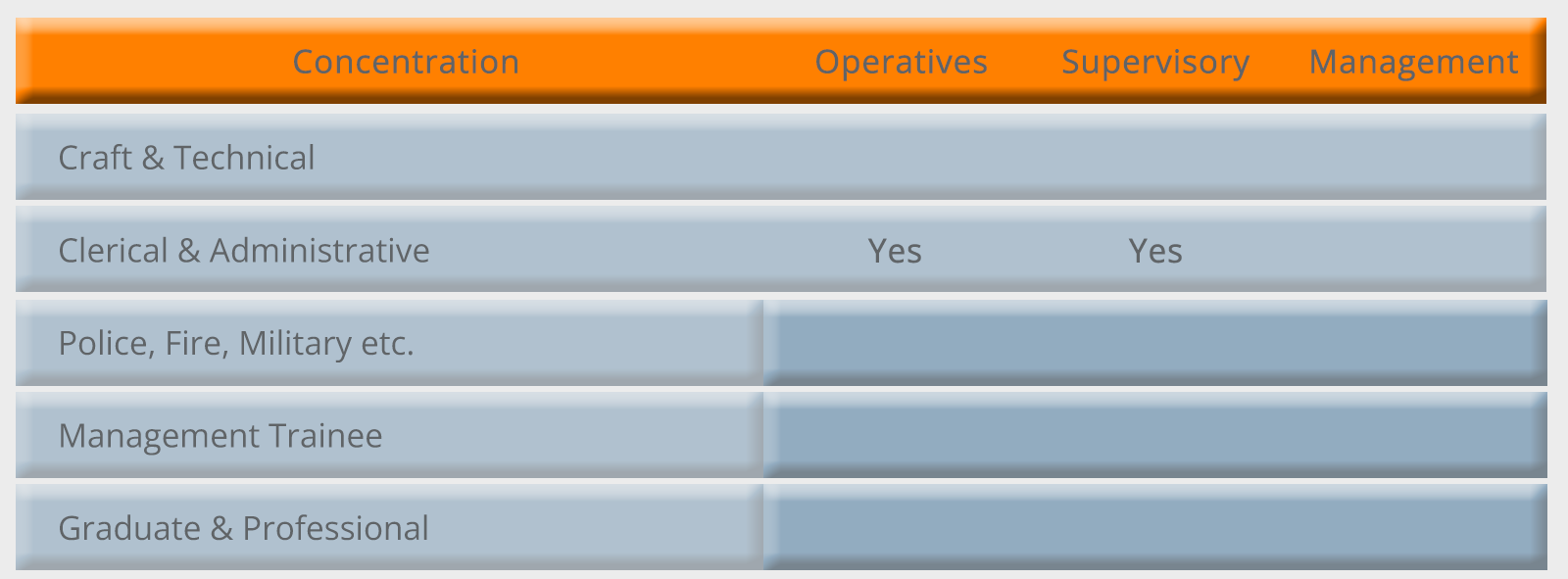
Concentration tests are used to select personnel who need to work through items of information in a systematic way while making very few mistakes.
They are most often used when selecting candidates for administrative and clerical jobs where mistakes can have serious or expensive consequences.
This includes areas like financial services, legal services and healthcare.
Practice Clerical Aptitude Test with JobTestPrep

If you need to prepare for a number of different employment tests and want to outsmart the competition, choose a Premium Membership from JobTestPrep.
You will get access to three PrepPacks of your choice, from a database that covers all the major test providers and employers and tailored profession packs.
This sample question paper contains 12 questions and has a suggested time limit of 5 minutes.
The questions are presented in Letter/A4 format for easy printing and self-marking.
Clerical Aptitude - Data Checking Tests
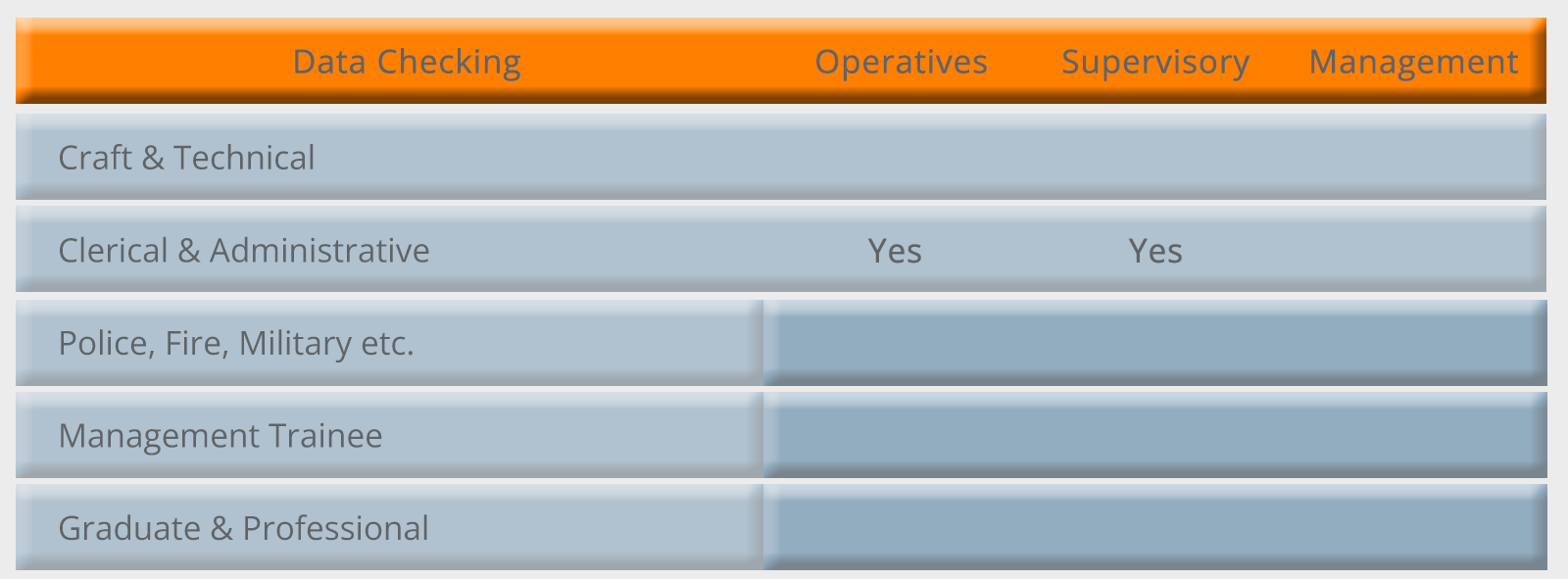
Data Checking tests present you with number of tables of information which must be checked against each other. This type of test is used to measure how quickly and accurately errors can be detected in data.

Clerical Aptitude Practice Test
This sample question paper contains 40 questions and has a suggested time limit of 15 minutes. The questions are presented in Letter/A4 format for easy printing and self-marking.
In both of these clerical aptitude test the time limit is usually set so that the tests are impossible to complete.
In addition, the questions tend to be similar and rather repetitive which makes it difficult to maintain attentiveness.
These factors taken together make this type of test ideal for selecting candidates who are able to process information accurately and maintain their concentration even when certain parts of the job may be repetitive.